
Marrakesh hits you all at once—the scent of saffron and cedar, the call to prayer echoing over the rooftops, the chaotic swirl of mopeds and donkeys, and the endless maze of souks. With only 24 hours in the city, the fear of missing out is real. But a successful Marrakesh in one day itinerary isn’t about seeing everything; it’s about curating a sequence of experiences that maximize sensory impact while minimizing transit time.
Whether you’re on a Marrakesh day trip from a nearby coastal city or planning an Exploring Marrakech: A Day Layover at the Airport online itinerary, this plan ensures you leave with a genuine feel for the Red City.
Key Takeaways
- The “Golden Triangle” Strategy: Focus your day on the medina’s core—Jemaa el-Fnaa, the souks, and the Koutoubia Mosque—to minimize walking distance and maximize sightseeing.
- Timing is Everything: Start early (8:00 AM) to beat the heat and the crowds, and use the midday heat for indoor activities like visiting a palace or museum.
- The Power of a Riad: A rooftop lunch or a brief rest at a traditional riad is essential for recharging and provides a unique perspective of the city from above.
- Prioritize Experience Over Checklist: You will not see everything. The goal is to absorb the atmosphere of the souks and the square, not to check off every single monument.
- Flexibility is Your Friend: The best moments in Marrakesh are often unplanned. Leave room in your schedule for spontaneous detours, a mint tea break, or a street performance.
The Complete Answer: Is a One-Day Marrakesh Itinerary Realistic?
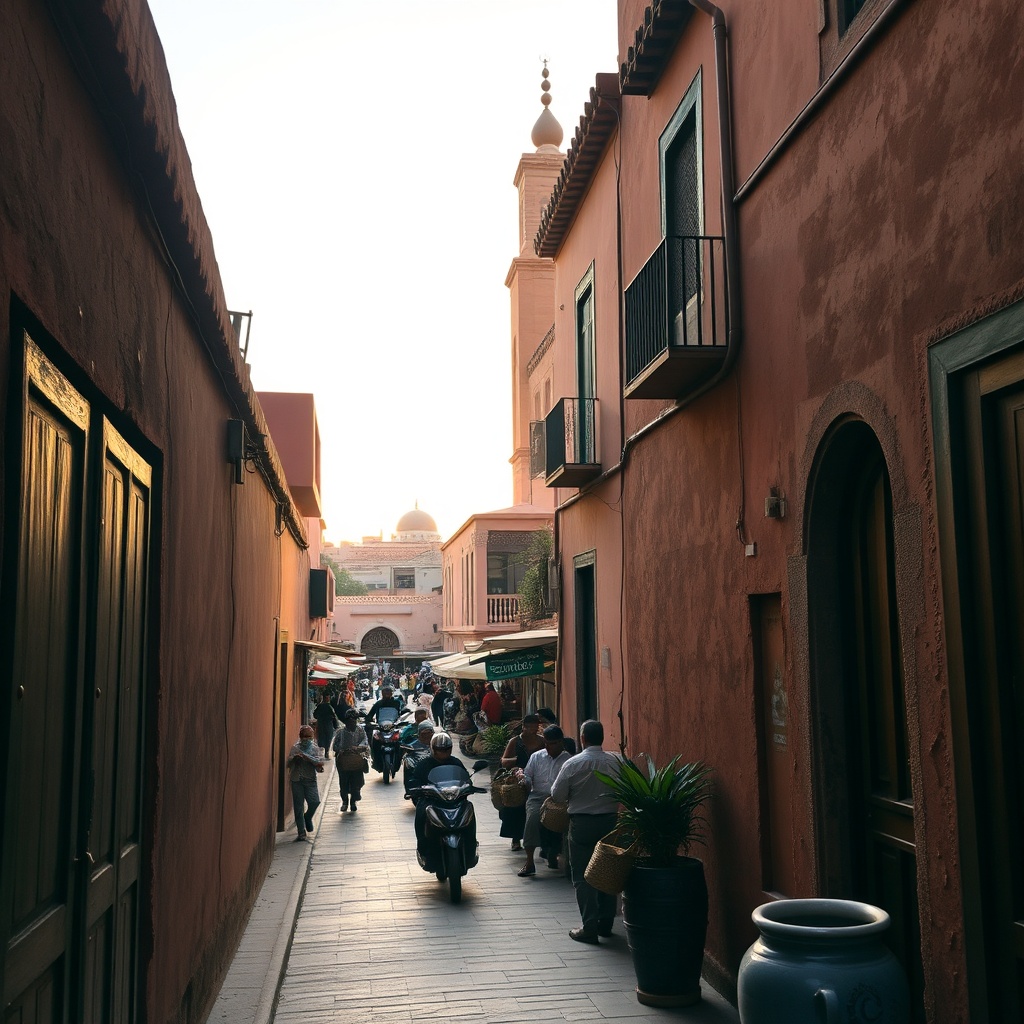
Captures the strategic early start recommended for maximizing time in Marrakesh’s historic core.
The short answer is yes, but you need to be strategic. A one-day visit to Marrakesh is a curated experience of the medina’s core, not a comprehensive tour of the entire city. It’s about the quality of immersion over the quantity of sights.
The Verdict: Yes, But It’s a Sprint, Not a Marathon
Quick Answer: Yes, you can see the best of Marrakesh in one day, but it requires a focused, strategic approach. The experience is about the quality of your immersion in the medina’s atmosphere, not the number of monuments you can check off a list.
A one-day trip is feasible because the city’s most famous attractions are concentrated in a relatively small area. However, you must accept that you will be moving quickly. The key is to prioritize the experiences that define Marrakesh—the souks, the square, and the grand architecture—and let go of the rest.
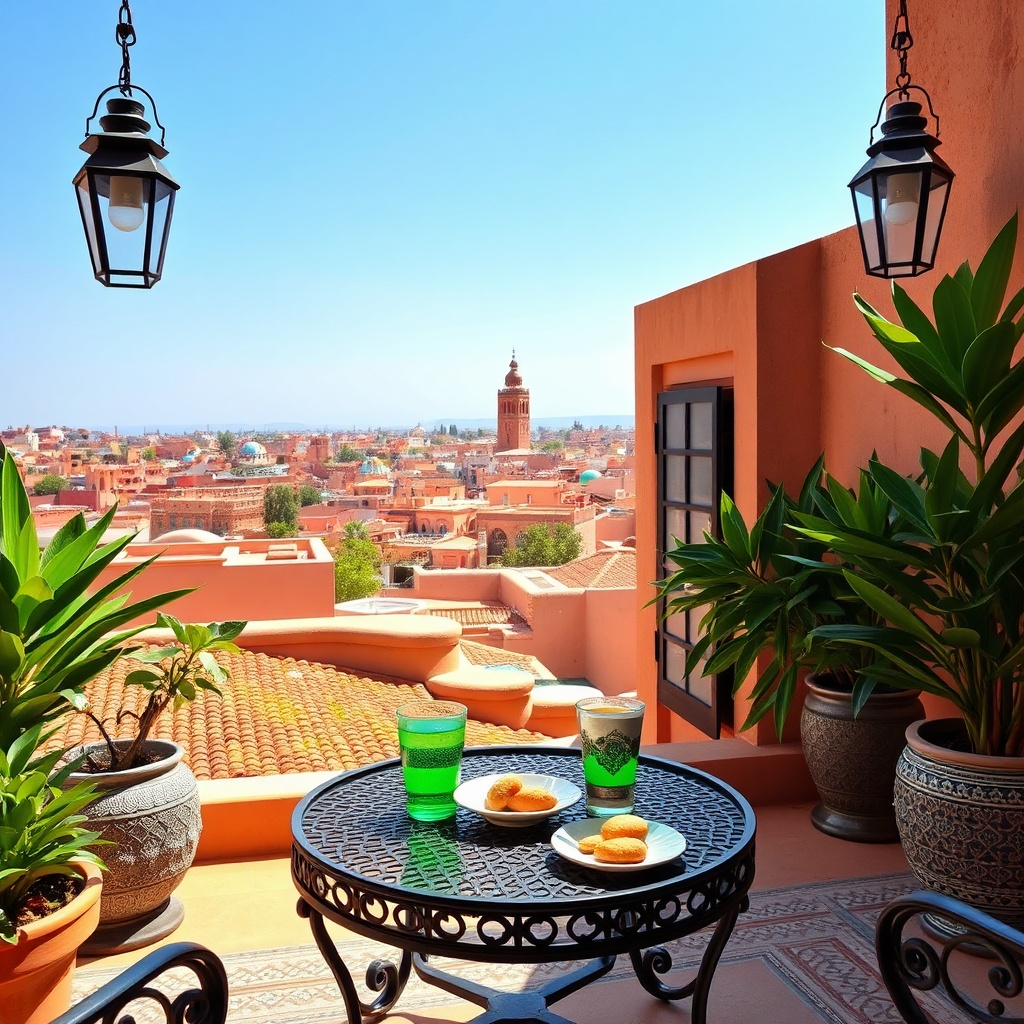
Showcases the recommended midday break that balances sightseeing with authentic local immersion.
The Core Principle: The “Medina Triangle”
The secret to a stress-free day is understanding the geography. Almost everything you want to see is contained within a compact zone defined by three points: the Koutoubia Mosque, the Ben Youssef Madrasa, and the Jemaa el-Fnaa square. This area is the heart of the Marrakech medina.
Definition: The “Medina Triangle” is the central geographic zone of Marrakesh that contains the majority of its must-see sights, including the Koutoubia Mosque, the souks, the Ben Youssef Madrasa, and Jemaa el-Fnaa. Staying within this area is the key to a stress-free one-day visit.
By keeping your walking route within this triangle, you eliminate the need for taxis and long transfers. You can walk from the Koutoubia to the souks in minutes, and from the souks to the Ben Youssef Madrasa in a short stroll. This proximity is your greatest asset.
What You’ll Sacrifice (and Why That’s Okay)
To be honest, you will miss some things. For those interested in Exploring the Yves Saint Laurent Museum, note that it is located in the modern city, far from the medina. The Saadian Tombs and the Bahia Palace are south of the medina, adding significant walking time to your day. While the Bahia Palace is included in this itinerary, the others are not.
Framing this as a failure is the wrong approach. Instead, view these sights as a reason to return. A one-day visit is about tasting the city, not consuming it entirely. Leaving something for next time is not a sign of a failed itinerary; it’s a sign of a successful trip that left you wanting more.
Planning Your Perfect Day: Logistics and Time Management
The practical, pre-trip considerations are what make or break a one-day visit. The two biggest time-wasters in Marrakesh are traffic and the slow pace of a traditional lunch. Here’s how to avoid both.
Choosing Your Starting Point (and Your Riad)
The strategic importance of your accommodation cannot be overstated. To make this itinerary work, you need to stay within or near the medina walls. A riad located in the heart of the medina eliminates the need for taxis and saves precious minutes.
A central riad means you can start your day immediately and return for a quick rest or a rooftop dinner without navigating the city’s traffic. If you stay outside the medina, you’ll spend valuable time and money on taxis, which cuts directly into your sightseeing time.
The Two Biggest Time-Wasters: Traffic and Lunch
Getting stuck in Marrakesh traffic is a common complaint. The narrow streets of the medina are not designed for cars, and the modern city’s roads can be congested. The solution is simple: walk wherever possible.
Similarly, a traditional Moroccan lunch is a multi-course affair that can easily take two hours. While delicious, it’s a time investment you can’t afford on a one-day trip. The solution is to plan a quick, rooftop lunch. This gives you a great meal, a panoramic view, and saves you at least an hour.
A Comparison Table: Walking vs. Taxi for Key Distances
The following table compares the time and experience of walking versus taking a taxi for common routes within the medina.
| Route | Walking Time (approx.) | Taxi Time (approx.) | Recommendation |
|---|---|---|---|
| Jemaa el-Fnaa to Koutoubia Mosque | 5-10 minutes | 5-10 minutes (plus wait time) | Walk. The route is short, flat, and you’ll pass the beautiful Koutoubia Gardens. |
| Koutoubia to the Souks (main entrance) | 5-10 minutes | Not practical | Walk. The souks are pedestrian-only, so a taxi is useless here. |
| Souks to Ben Youssef Madrasa | 10-15 minutes | Not practical | Walk. You’ll navigate through the heart of the souks, which is part of the experience. |
| Jemaa el-Fnaa to Bahia Palace | 15-20 minutes | 10-15 minutes | Walk. The route is manageable and takes you through interesting streets. A taxi is an option if you’re tired. |
Note: Walking times are estimates for a steady pace and can vary depending on crowds and how often you stop to look around.
The Morning: The Grand Entrance and the Souks
The first half of the day is about the city’s iconic landmarks and the immersive experience of the markets. Starting early is non-negotiable.
8:00 AM – 9:30 AM: Koutoubia Mosque and the Garden
Start your day at the Koutoubia Mosque, the city’s largest mosque and its most iconic landmark. Its 77-meter minaret dominates the skyline and serves as a perfect orientation point. While non-Muslims cannot enter the mosque, the surrounding gardens are open to all.
The Koutoubia Gardens offer a peaceful, open atmosphere that serves as a gentle introduction to the city. The scent of orange blossoms and roses fills the air, and the palm-lined paths provide a welcome contrast to the chaos you’re about to experience. This is the perfect place to orient yourself and enjoy a quiet moment before the day begins.
9:30 AM – 11:30 AM: The Souks – A Masterclass in Navigation
The souks are the beating heart of Marrakesh. This labyrinth of narrow, covered alleys is a masterclass in navigation. The main arteries are clearly marked, but the side alleys are where the real discoveries lie.
Your strategy should be to follow a main route—like the one leading from the Koutoubia towards the Ben Youssef Madrasa—but allow for spontaneous detours. The souks are organized by trade, so you’ll find the spice and leather souks, the carpet souks, and the metalworkers’ souks as you wander.
Quick Answer: Navigating the Marrakesh souks is easier if you follow a main artery and allow for spontaneous detours. The key is to browse without buying and to use a firm but friendly “no, thank you” to politely decline persistent shopkeepers.
Etiquette is crucial here. Browsing without buying is perfectly acceptable. The art of the polite “no, thank you” is your most powerful tool. A firm but friendly refusal is the most effective way to move on without feeling rude or being followed.
11:30 AM – 12:30 PM: The Ben Youssef Madrasa
As the heat rises, it’s time to escape indoors. The Ben Youssef Madrasa is a former Islamic college and one of the most beautiful buildings in North Africa. It is the perfect indoor escape from the midday sun.
The madrasa’s stunning courtyard is the visual highlight of your morning. With its central reflecting pool, intricate cedar wood carvings, and zellige tilework, it offers a moment of serene beauty that contrasts sharply with the chaos of the souks. Take your time here to appreciate the craftsmanship and the quiet atmosphere.
The Afternoon: Palaces, Squares, and a Rooftop Respite
The afternoon is about balancing a major historical site with the city’s most famous public space. The key is to plan your moves carefully to avoid the heat and the crowds.
12:30 PM – 1:30 PM: Rooftop Lunch – A Strategic Mid-Day Pause
After the madrasa, it’s time for a strategic pause. Head towards the Jemaa el-Fnaa square and find a rooftop restaurant. This serves a dual purpose: you get A Taste of the region’s finest dishes, and you get a panoramic view of the bustling square below.
Watching the square from above gives you a unique perspective on its layout and the flow of people. It’s also the perfect way to recharge your batteries before the afternoon’s activities. Keep your lunch simple and quick—a tagine, some couscous, and a mint tea—so you can get back to exploring.
1:30 PM – 3:30 PM: The Bahia Palace and the Mellah
The Bahia Palace is the perfect afternoon activity. Built in the late 19th century, it was intended to be the greatest palace of its time. Its intricate architecture, serene courtyards, and lush gardens offer a peaceful escape from the city’s noise.
The palace is a masterpiece of Moroccan architecture, with stunning stucco carvings, painted ceilings, and a beautiful central courtyard. After exploring the palace, take a brief stroll through the adjacent Jewish Quarter, known as the Mellah. This historic district adds a layer of historical depth to your visit, showcasing the city’s diverse past.
3:30 PM – 5:00 PM: Jemaa el-Fnaa – The Square Comes Alive
As you return to the square, you’ll witness its transformation. In the afternoon, Jemaa el-Fnaa is a relatively quiet space. But as the day progresses, it begins to come alive.
A pre-sunset visit is the perfect way to witness the setup of the food stalls and the arrival of the storytellers and performers. You’ll see the square slowly fill with smoke from the grills and the sound of drums and music. This is the calm before the storm, and it’s a fascinating transition to observe.
The Evening: The Grand Finale and a Step-by-Step Guide
The evening is the climax of your day. The transformation of Jemaa el-Fnaa into a vibrant night market is the single most memorable experience in Marrakesh.
5:00 PM – 6:30 PM: The Sunset Spectacle from a Rooftop
Find a rooftop café near the square for a sunset drink. This is the perfect vantage point to watch the square transform. As the sun sets, the stalls are lit up, and the smoke from the grills rises into the orange sky.
The visual shift is spectacular. The square goes from a dusty, sunlit space to a glowing, electric hub of activity. The sounds of drums, music, and chatter begin to rise, creating a sensory experience that is the essence of Marrakesh.
6:30 PM – 8:00 PM: Dinner in the Chaos – A Step-by-Step Guide to the Night Market
The night market is not just a place to eat; it’s an experience. Here is a step-by-step guide to navigating it successfully.
- Walk the perimeter of the square to survey the food stalls. This gives you an overview of the options and helps you gauge the atmosphere.
- Choose a stall with a high turnover of locals, not just tourists. A busy stall is a good sign of fresh food and good quality.
- Order a classic dish like Harira soup, Tanjia, or a mixed grill, and a fresh mint tea. These are staples of Moroccan street food.
- Find a seat on the shared benches and enjoy the live music and performance. The communal seating is part of the experience.
- After dinner, explore the other sections of the square—the storytellers, the magicians, and the henna artists. The square is a stage, and you are part of the audience.
8:00 PM – 9:00 PM: The Final Walk
End your day with a final, slow walk through the now-illuminated souks. They feel completely different at night. The crowds are thinner, the light is softer, and the atmosphere is more intimate.
The sensory experience is heightened in the evening air. The sounds of the city are more muted, the smells are richer, and the shadows dance across the walls. This is the perfect way to say goodbye to the medina and reflect on your whirlwind day.
Maximizing Your One Day: Tips and Tricks
These actionable tips will help you avoid common pitfalls and enhance your overall experience.
The Art of Saying “No”
The art of politely declining touts, guides, and shopkeepers is essential. A firm but friendly “no, thank you” is the most effective strategy. Do not engage in conversation or make eye contact if you’re not interested. A simple, polite refusal is all that’s needed.
What to Wear and What to Carry
Wear comfortable, modest clothing that respects local customs. Lightweight, loose-fitting clothes are ideal for the heat. Carry a small amount of cash, as many smaller vendors do not accept cards. A water bottle is essential, and a map or a fully charged phone with offline maps will be your best friend.
The Golden Rule of Marrakesh: Patience
The city operates on its own rhythm. The slower pace and potential for delays are not inconveniences; they are part of the experience. Embrace the chaos and the unexpected. The best moments in Marrakesh are often the unplanned ones—a spontaneous detour, a mint tea break, or a street performance.
Frequently Asked Questions (FAQ)
Can you really see Marrakesh in one day?
Yes, but it’s a curated experience of the core medina, not a comprehensive tour of the entire city. It’s about the quality of immersion over the quantity of sights.
What is the best time to start exploring Marrakesh?
Early morning (around 8:00 AM) is ideal to beat the heat and the crowds, allowing you to see the Koutoubia and the souks before they get busy.
Is it better to hire a guide for a one-day tour?
It can be helpful for navigating the souks, but it’s not essential. A well-planned route and a good map can give you the freedom to explore at your own pace.
What is the best way to get around Marrakesh in a day?
Walking is the best way to experience the medina. Taxis are useful for getting to and from your riad, but are not practical within the narrow, crowded streets.
Are the food stalls in Jemaa el-Fnaa safe to eat at?
Yes, the stalls with high turnover are generally safe. Look for stalls that are busy with locals and where the food is cooked fresh in front of you.
Conclusion
A successful one-day visit to Marrakesh hinges on the strategic use of the “Medina Triangle,” a strict adherence to timing, and a commitment to prioritizing experience over a checklist. This itinerary is designed to be a sensory sprint, not a comprehensive tour.
By focusing on the core of the medina, you’ve touched on the city’s most defining elements: the grandeur of the Koutoubia, the labyrinthine mystery of the souks, the architectural beauty of the Ben Youssef Madrasa and the Bahia Palace, and the chaotic, vibrant energy of Jemaa el-Fnaa at night.
The memories of the sights, sounds, and tastes of this incredible city will last long after the day is over. You came for a day, but you’ll leave with a story that will last a lifetime. And if you’re lucky, you’ll leave with a plan to return.